How jamaica hotel hurricane preparedness resilience became a luxury filter
Hurricane Melissa was not just a violent storm for Jamaica ; it was a sorting mechanism that separated well run luxury hotels from pretty façades. In the months after this jamaica hurricane, executives flying into Kingston for board meetings and then heading to the north coast saw which properties had real preparedness and which were still waiting on insurance adjusters. For business leisure travelers, jamaica hotel hurricane preparedness resilience is now as critical as a sea view or a quiet executive floor.
Across the island, about forty five percent of hotels reported significant damage from Hurricane Melissa, while national data recorded roughly twenty four thousand buildings destroyed in total, a level of widespread damage that reshaped coastal skylines. That scale of disaster pushed local authorities, hotel owners, and international organizations into a new alliance focused on emergency management, disaster relief, and smarter construction rather than cosmetic recovery. When you book now, you are not just choosing a room ; you are choosing a philosophy of long term resilience over short term patchwork.
Luxury properties that had already invested in hurricane preparedness moved from chaos to controlled response within days. Their teams had rehearsed evacuation routes, refined emergency communication trees, and pre negotiated insurance coverage that funded rapid hurricane recovery instead of slow motion claims battles. Those lessons learned now define jamaica hotel hurricane preparedness resilience for the island’s premium segment, and they should shape every question you ask before you confirm a stay.
From national emergency to refined resilience
When Hurricane Melissa triggered a national emergency declaration, the first priority was to save lives, not to save marble lobbies. Emergency management teams worked with local hotels to open shelter places for staff families, coordinate evacuation orders, and share real time weather updates as storm surges pushed into low lying parishes. In that crucible, jamaica hotel hurricane preparedness resilience stopped being a marketing phrase and became a shared survival plan.
Post hurricane, the government signaled a clear reconstruction timeline, with the prime minister outlining a path toward full utility restoration and a reconstruction phase targeting full hotel capacity by a December season in the mid term. That public commitment gave insurers, construction firms, and hotel owners confidence to accelerate recovery efforts rather than wait for perfect conditions. For travelers, it means that when you see a polished reopening date, it usually sits on top of months of coordinated response, not a rushed paint job.
Jamaican hotels acted as builders of a new coastal reality, working with local construction firms, insurance companies, and government agencies to embed resilience into every blueprint. Elevated construction, backup power installation, and comprehensive insurance coverage became the new normal rather than optional extras for nervous owners. As you scan options on a premium booking website, jamaica hotel hurricane preparedness resilience is now a quiet but powerful differentiator between properties that simply survived Melissa and those that are structurally ready for the next hurricane season.
Stilts, codes, and coastal lines: how buildings learned from Melissa
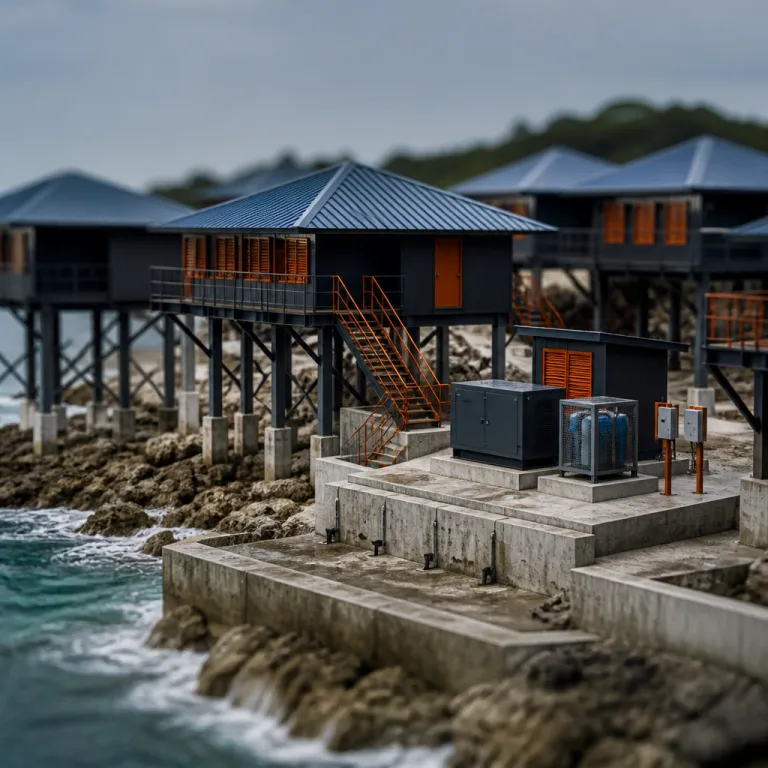
Walk the shoreline in Montego Bay or along the quieter stretches near Treasure Beach and you will notice something new ; many of the most forward thinking luxury hotels now stand on stilts. The simple question guests kept asking after Hurricane Melissa was why some buildings shrugged off storm surges while others suffered catastrophic damage. The technical answer is that elevated construction, stricter building codes, and better insurance management now sit at the heart of jamaica hotel hurricane preparedness resilience.
Post hurricane regulations tightened coastal construction requirements, with new elevation standards and wind resistance ratings that reflect the real behavior of a major storm rather than optimistic models. Hotels damaged by Hurricane Melissa that chose to rebuild on stilts effectively lifted their ground floors above typical storm surge levels, reducing the risk of future flooding and cutting expected recovery time after the next hurricane. As one official explanation now used in training materials puts it without embellishment ; “Why are hotels building on stilts? To prevent flood damage during storms.”
For you as a traveler, this engineering shift has practical implications that go beyond abstract resilience updates. Elevated walkways, higher lobby levels, and redesigned ground floor restaurants mean that even in a severe storm, critical infrastructure such as generators, data rooms, and emergency shelters stay dry and operational. When you read that a property has completed its reconstruction phase and is part of Jamaica’s tourism sector nearing full operation, you should ask whether its new design reflects these lessons learned or simply restores the pre Melissa layout.
Insurance as an invisible amenity
Insurance rarely appears in glossy brochures, yet it quietly explains why some five star hotels reopened in weeks while others remained shuttered for months. Properties that carried comprehensive insurance coverage with clear disaster clauses moved quickly from assessment to hurricane recovery, funding both structural upgrades and refined emergency management systems. Those that underinsured their assets faced a slower, more painful recovery, with short term fixes and partial reopenings that left guests navigating ongoing works.
From a guest perspective, jamaica hotel hurricane preparedness resilience now includes the financial resilience to honor flexible cancellation policies and to maintain staff salaries during extended closures. When you evaluate a hotel’s response to Hurricane Melissa, look for transparent communication about insurance backed reconstruction, not vague references to “ongoing improvements” after widespread damage. A property that openly explains its coverage and rebuild strategy is usually one that will also keep you informed with honest weather updates and clear evacuation information if another storm approaches.
Before you book, especially for travel during the core hurricane season, read the fine print on both your hotel’s terms and your own travel insurance. Ask whether the hotel’s policy covers national emergency declarations, how they handle post hurricane closures, and whether they coordinate with local authorities and international organizations for disaster relief. That quiet due diligence turns insurance from a back office function into a practical part of your personal safety net when you choose to stay in Jamaica.
Generators, grids, and the quiet luxury of uninterrupted power
During Hurricane Melissa, the most telling image was not broken palm trees but the glow of a few hotel corridors still lit against a dark coastline. Generator capacity became the dividing line between properties that could maintain essential services and those that had to evacuate guests as soon as the grid failed. In the language of jamaica hotel hurricane preparedness resilience, backup power is now as central as a well trained concierge.
Hotels that had invested in large scale generators, often with both diesel and solar backup systems, managed to keep water pressure, refrigeration, and basic air conditioning running through extended outages. Their teams already understood that “What benefits do generators provide? Ensure continuous power during outages.” and they had built emergency management plans around that simple truth. For business travelers trying to maintain calls with New York or London, that continuity turned a potential disaster stay into a controlled, if surreal, work environment.
The most advanced properties now pair traditional generators with rooftop solar arrays and battery storage, reducing fuel dependence during a long storm and supporting more sustainable tourism once the skies clear. This shift aligns with a broader movement toward eco conscious luxury, where resilience and environmental responsibility reinforce each other rather than compete. If you care about both climate impact and personal safety, look for hotels featured in guides to sleep green in Jamaica, because those properties usually treat energy management as a strategic pillar, not an afterthought.
Operational choreography in a storm
Backup power only matters if the people running it know exactly what to do when the weather turns. The best Jamaican hotels now run regular drills that simulate a full hurricane response, from securing outdoor furniture to activating shelter places for staff and guests. These rehearsals refine everything from generator load management to the timing of evacuation orders, turning theory into muscle memory.
When a real storm approaches, that preparation shows up in small but reassuring details ; printed evacuation routes on every floor, clear signage to interior shelter rooms, and staff who can calmly explain the difference between a watch and a warning. Guests are encouraged to stay informed through multiple channels, from in room television updates to WhatsApp groups that share local weather information and official guidance from local authorities. In that environment, jamaica hotel hurricane preparedness resilience feels less like a rigid protocol and more like a well practiced hospitality ritual adapted to extreme conditions.
For you, the practical takeaway is simple yet powerful. Before you confirm a stay during hurricane season, ask specific questions about generator capacity, fuel reserves, and how long the hotel can operate independently if the grid fails. A property that answers with clear numbers and procedures, rather than vague assurances, is one that will likely keep both its lights and its standards high when the next storm tests Jamaica’s coastline.
From evacuation routes to jerk smoke: the guest experience in a resilient Jamaica
Resilience in Jamaica is not only about concrete, insurance, and kilowatts ; it is also about how gracefully a hotel can protect you without stripping away the island’s rhythm. After Hurricane Melissa, many luxury properties rewrote their guest communication playbooks, blending precise emergency information with a calm, human tone. The goal was clear ; keep people safe, keep them informed, and keep the experience recognizably Jamaican even as a storm passes offshore.
Today, when a hurricane threatens, well prepared hotels issue early, detailed updates that explain potential damage scenarios, evacuation options, and the likelihood of shelter in place protocols. They coordinate closely with local authorities and national emergency agencies to align evacuation routes, shelter locations, and disaster relief logistics, so that guests are never left guessing about the next step. This integrated response culture is now a core part of jamaica hotel hurricane preparedness resilience, and it shows up in everything from pre arrival emails to in person briefings.
Crucially, the best properties manage to maintain a sense of place even in the tense hours before a storm. You might still find the jerk pan smoking under a covered breezeway, a pared back version of the vibrant food culture mapped in any serious jerk road trip guide across Jamaica. That continuity of local flavor, even as staff quietly secure outdoor areas and check emergency supplies, reinforces the feeling that you are in capable hands rather than trapped in a generic disaster scenario.
Community ties and local help
Luxury hotels that performed best during and after Hurricane Melissa were often those most deeply woven into their local communities. They had pre existing relationships with nearby clinics, transport providers, and grassroots organizations that could help with everything from emergency medical support to post hurricane clean up. Those networks turned abstract resilience updates into tangible hurricane recovery, shortening the time between storm impact and a return to something like normal life.
Guests sometimes underestimate how much these community ties matter until they see staff coordinating with local fishermen to assess storm surges or with church groups to open additional shelter places. In the wake of widespread damage, hotels that shared generators, water, and food with neighbors built a reservoir of goodwill that no marketing budget could buy. For travelers who care about sustainable tourism, choosing such a property means your spending supports a wider web of recovery efforts rather than an isolated island of privilege.
When you plan a stay, especially if your trip overlaps with the peak hurricane season, ask how the hotel engages with its surrounding community during emergencies. A manager who can describe specific partnerships, joint drills, or shared disaster relief projects is signaling a mature approach to jamaica hotel hurricane preparedness resilience. That same maturity usually translates into better everyday service, because a hotel that shows up for its neighbors tends to show up for its guests.
The business traveler’s resilience checklist for Jamaica
For executives turning a Kingston meeting into a Negril weekend, resilience is no longer a niche concern ; it is a core part of risk management. The same discipline you apply to corporate travel policies should now guide how you evaluate jamaica hotel hurricane preparedness resilience. A few targeted questions before booking can transform your stay from vulnerable to well protected without sacrificing any of the island’s pleasures.
Start with location and structure, asking whether the hotel sits in a flood prone zone or on elevated ground, and whether any post hurricane reconstruction included building on stilts or raising critical infrastructure above expected storm surge levels. Then move to operations, probing how the property handled Hurricane Melissa, how long it took to resume full services, and what specific lessons learned have been integrated into current emergency management plans. You are looking for concrete answers about evacuation routes, shelter capacities, and coordination with local authorities, not generic statements about caring for guest safety.
Next, examine communication and policy. Ask how the hotel keeps guests stay informed during a hurricane threat, whether through dedicated apps, SMS alerts, or in person briefings, and whether they provide clear weather updates sourced from official agencies. Review cancellation and rebooking terms to see how they respond to national emergency declarations, airport closures, or post hurricane infrastructure disruptions, because flexible policies are part of real hurricane preparedness rather than a marketing perk. Finally, consider your own role in resilience by purchasing robust travel insurance, sharing your itinerary with your office, and building a small personal emergency kit that complements the hotel’s systems.
Why resilience is now a marker of true luxury
In Jamaica’s high end hotel landscape, the properties that invested early in elevated construction, serious generators, and comprehensive insurance coverage are now the ones setting the standard for modern Caribbean luxury. Their ability to move from disaster response to thoughtful recovery without losing their service culture is the clearest expression of jamaica hotel hurricane preparedness resilience. When you choose them, you are buying not just a room but a tested system designed to protect both your time and your well being.
That system extends beyond the walls of any single resort, connecting to national emergency frameworks, local community networks, and international organizations that coordinate disaster relief. It is a web that proved its value during Hurricane Melissa and will be tested again by future storms, because the hurricane season is not a hypothetical in this part of the world. As a business leisure traveler, aligning your choices with that web is one of the most effective ways to help save lives, support sustainable recovery, and still enjoy the jerk, the reggae, and the Blue Mountain coffee that brought you to Jamaica in the first place.
Ultimately, resilience has become the quiet luxury amenity that separates truly world class Jamaican hotels from the rest. The next time you scroll through a booking page, let jamaica hotel hurricane preparedness resilience sit alongside Wi Fi speed and spa menus in your decision matrix. Your future self, watching storm clouds from a safely elevated balcony with uninterrupted power and clear information, will be grateful you did.
FAQ
Why are so many Jamaican hotels now built on stilts
Many Jamaican hotels rebuilt on stilts after Hurricane Melissa because elevated structures significantly reduce flood risk during a major storm. By lifting ground floors and critical systems above typical storm surge levels, these properties experience less structural damage and can reopen faster after a hurricane. This approach is now a central element of jamaica hotel hurricane preparedness resilience, especially for coastal luxury properties.
How can I tell if a hotel in Jamaica is well prepared for hurricanes
You can assess preparedness by asking specific questions about backup power, building design, and emergency procedures. Request details on generator capacity, fuel reserves, evacuation routes, and how the hotel coordinates with local authorities during a national emergency. Well prepared hotels will provide clear, confident answers and may share how they performed during Hurricane Melissa as evidence of their resilience.
What role does insurance play in a hotel’s hurricane resilience
Insurance determines how quickly a hotel can fund repairs, upgrade structures, and support staff after widespread damage from a storm. Properties with comprehensive coverage and clear disaster clauses typically move from assessment to reconstruction much faster than underinsured competitors. For guests, that means more reliable reopening timelines, stronger cancellation policies, and a higher likelihood that the hotel can maintain service standards during and after a hurricane.
Is it safe to travel to Jamaica during hurricane season
Traveling during hurricane season carries some risk, but many Jamaican hotels now have robust emergency management plans and strong coordination with national agencies. If you choose well prepared properties, stay informed through official weather updates, and purchase solid travel insurance, you can manage that risk effectively. The key is to plan ahead, understand evacuation options, and remain flexible with your itinerary if a storm develops.
What should I do if a hurricane threatens while I am staying at a hotel
If a hurricane approaches during your stay, follow hotel guidance closely, stay informed through official updates, and prepare to move to designated shelter areas if instructed. Keep essential items such as documents, medications, and chargers in a small bag, and avoid venturing outside once conditions deteriorate. Well prepared Jamaican hotels will provide clear instructions, regular communication, and practical support to help keep you safe throughout the storm.