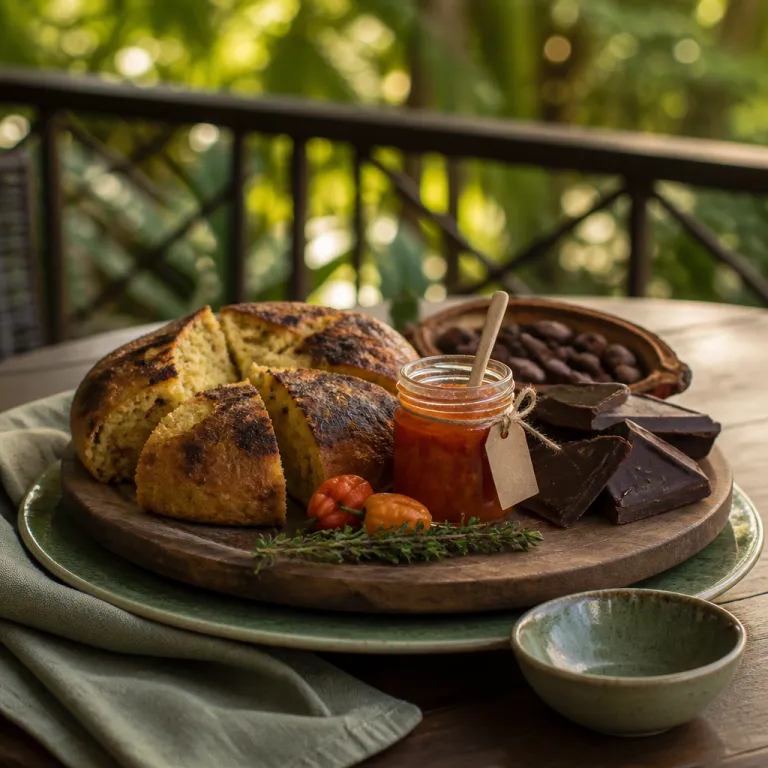
Why luxury travelers should care about jamaica artisan food craft chocolate
Step off the airport transfer in Jamaica and the first aromas are usually jerk smoke and mountain coffee drifting over the highway. Serious food travelers now come for something more focused, a jamaica artisan food craft chocolate movement that links coastal hotels to inland cacao farms and tiny pepper sauce kitchens. For guests booking premium rooms, this shift turns a simple chocolate bar on the pillow into a curated chocolate experience that starts with cacao beans still clinging to their fruit.
High end properties in Jamaica increasingly partner with Jamaican artisans who treat cocoa as a terroir product, not just a sweet treat. They work with farmers in parishes like St Mary and Portland, where cacao beans grow under breadfruit and banana shade, to create single origin bars that express soil, rainfall and even the nearby sea breeze. When you taste a square of dark chocolate beside a cup of Blue Mountain coffee, you are tasting a supply chain that runs from hillside to hotel minibar, not a generic global commodity.
For luxury guests, the value is not only in the high quality chocolates but in the story and access. A concierge who can arrange a private bean to bar workshop or a visit to a chocolate company gives you more than a souvenir ; they give you a way into Jamaican culture that feels grounded and respectful. This is where price becomes part of the narrative, because paying fairly for craft chocolate or a small batch pepper sauce supports farmers, keeps cassava in the ground and funds the next generation of chocolate makers.
From jerk pan to cacao pod: mapping Jamaica’s new artisan trail
On most resort strips in Jamaica, the loudest invitation still comes from the swim up bar and the all inclusive buffet. The real action for jamaica artisan food craft chocolate and its cousins now happens in markets, farm gates and small workshops where Jamaican artisans roast cacao beans beside bubbling pots of pepper sauce. To follow this trail, you need to be willing to leave the resort fence and let your hotel driver take the back road into the hills.
In Ocho Rios, Pure Chocolate Jamaica has become a quiet pilgrimage site for travelers who read menus as carefully as wine lists. Their bean to bar process walks you from sticky cacao fruit in your hand to finished chocolate bars on the tasting table, with stops to smell roasting cocoa and taste dark milk, milk chocolate and white chocolate styles. It is here that the phrase craft chocolate stops being a marketing line and becomes a tactile chocolate experience, complete with chocolate inclusions like local nuts, coffee dark blends and even chocolate lemongrass combinations.
Link this with a morning in the Blue Mountain foothills, where mountain coffee estates now collaborate with chocolate makers on pairings that highlight both beans. A cup of Blue Mountain beside a shard of pure chocolate or a single origin dark chocolate bar shows how Jamaican farmers and roasters are rewriting the island’s flavor map. If reggae history is part of your itinerary, pair this food trail with a cultural detour using a reggae pilgrimages guide to studios and sound systems, then return to your hotel with a deeper sense of how sound, spice and cacao all share the same streets.
How hotels curate chocolate, cassava and pepper sauce for discerning guests
Luxury hotels in Jamaica now compete less on the size of the bar menu and more on the depth of their jamaica artisan food craft chocolate and pantry partnerships. Instead of anonymous chocolates on the turndown tray, you might find a labeled bean bar from a specific parish, with tasting notes that read like a wine card. One night it could be a 70 percent dark chocolate from Portland with citrusy fruit notes, another night a creamy dark milk square infused with local spices.
Breakfast buffets at the best Jamaican properties increasingly feature cassava bammy, breadfruit wedges and small jars of pepper sauce from tiny companies rather than industrial brands. The Jamaican Agricultural Department has reported a double digit cassava production increase, and you can taste that shift in the renewed presence of bammy beside grilled fish or under a poached egg. When a hotel chef plates cassava flatbread with a drizzle of cocoa nib oil and a side of mountain coffee, they are quietly aligning the kitchen with farmers and the wider culinary movement.
On the retail side, lobby shops are evolving from generic souvenir corners into curated food galleries where each chocolate bar, jar of pure chocolate spread or bottle of pepper sauce is traceable to a named company and community. Prices are often higher than supermarket shelves, but the value lies in transparency and the chance to meet the makers at scheduled tastings or pop up sales. For solo travelers, these intimate events can be more social than the main bar, offering a way to talk with chefs, farmers and fellow guests over shared love of chocolate and spice.
Designing an artisan food itinerary from your luxury base
Planning a trip around jamaica artisan food craft chocolate does not mean sacrificing comfort or style. It means using your luxury hotel as a base camp, then letting concierges and local guides stitch together visits to cacao farms, pepper sauce kitchens and markets where cassava and fruit change with the season. Start by asking which Jamaican artisans the property already works with, then build outward from those relationships.
In Ocho Rios, a refined family friendly property such as the Boscobel Beach Resort can be the anchor for a week of tasting and learning. From there, you can arrange half day trips to Pure Chocolate Jamaica, roadside jerk stands that serve bammy still warm from the griddle and farm gates where you can buy chocolate bars and pepper sauces directly from farmers. A detailed hotel guide to Boscobel and its surroundings will often highlight these options, and resources like an elegant guide to Boscobel Beach Resort in Ocho Rios help you align room choice, restaurant reservations and day trips.
Elsewhere on the island, look for hotels that mention cacao, Blue Mountain coffee or artisan food in their descriptions rather than only listing pool size and bar count. Ask specific questions about chocolate company partners, whether they host chocolate experience evenings or if they can arrange a visit to a single origin cacao plot. The best concierges will respond with names, not vague promises, and may even email a short newsletter style itinerary you can read before arrival so you can budget both time and price for tastings, classes and market visits.
Beyond the resort: festivals, awards and the future of Jamaican gastronomy
The most exciting expressions of jamaica artisan food craft chocolate and its cousins often appear at events rather than in hotel dining rooms. The Jamaica Food and Drink Festival, with themes like Kuyah that reimagine Jamaican food, has showcased oxtail pizza, pulled jerk pork and desserts that pair dark chocolate with sorrel or scotch bonnet caramel. These gatherings are where you see chocolate makers trading tips with pepper sauce producers and cassava bakers, all while chefs test new chocolate inclusions and flavor pairings.
Recognition matters in this ecosystem, and the Jamaica Observer Table Talk Food Awards have become a key stage for both restaurants and small producers. When a chocolate company or a tiny pepper sauce outfit wins an award, hotel buyers pay attention and those products start appearing on tasting menus and in minibars. This is how a single origin dark chocolate bar from an overlooked parish can move from a farmers’ stall to a five star dessert trolley within a season.
Behind the scenes, a broader culinary movement is working to preserve heritage while introducing artisanal products that feel fresh to global palates. As one local explanation puts it, “What is bammy? Traditional Jamaican cassava flatbread.” and “How is Jamaican pepper sauce made? Using Scotch Bonnet peppers and spices.” and “Is Jamaican chocolate unique? Yes, made from locally grown cacao.”. For travelers who love both comfort and authenticity, choosing hotels that engage with this movement turns every breakfast, bar snack and chocolate tasting into a direct investment in Jamaica’s gastronomic future.
FAQ
What is bammy and where can I try it from a hotel base ?
Bammy is a traditional Jamaican cassava flatbread, usually served grilled or fried beside fish or breakfast dishes. From most north coast luxury hotels, you can ask for bammy at breakfast or request it at the à la carte Jamaican restaurant. For a deeper experience, have your concierge arrange a visit to a local market or roadside cookshop where bammy is still made by hand from freshly grated cassava.
How can I visit a cacao farm or chocolate workshop during my stay ?
Many premium hotels now partner with chocolate makers who offer farm or factory tours, especially around Ocho Rios and in the eastern parishes. Ask your concierge specifically about bean to bar experiences, including visits where you can see cacao fruit on the tree, taste roasted cocoa and mold your own chocolate bar. These excursions usually last half a day and can be combined with a stop at a Blue Mountain coffee estate for pairings.
Are artisan chocolate and pepper sauce more expensive than regular brands ?
Prices for craft chocolate bars and small batch pepper sauces are typically higher than mass market products because they use locally grown cacao beans, premium ingredients and small scale production. When you buy directly from farmers or at hotel hosted tastings, more of the price goes back into the community and supports sustainable agriculture. Many travelers find that the higher cost is offset by better flavor, transparent sourcing and the chance to meet the makers.
Where can I find Jamaican artisan food if I stay at an all inclusive resort ?
Even if you are based at an all inclusive property, you can still access Jamaica’s artisan food scene by booking guided trips to markets, festivals or specific producers. Look for hotel excursion desks that mention food tours, chocolate experience outings or farm visits rather than only listing beach and shopping trips. You can also ask the bar staff or executive chef which local chocolate bars, pepper sauces or cassava products they personally recommend and where to buy them nearby.
Is it easy to bring Jamaican craft chocolate and sauces back home ?
Most countries allow you to bring back packaged chocolate bars and commercially bottled pepper sauces for personal use, as long as they are sealed and labeled. To protect the chocolate from heat, pack bars in the middle of your suitcase and avoid leaving them in a hot car or on the beach before departure. Always check your home country’s customs rules in advance, and keep receipts from the chocolate company or farmers’ market in case officers ask about price or origin.