Why sustainable hotels in Jamaica now live or die by the coral reef
Along Jamaica’s north coast, sustainable hotels in Jamaica now sit beside coral skeletons where dense gardens once thrived. When you book a luxury hotel or resort in Jamaica today, you are also choosing how much of that coral will still be there for your next stay, because reef health now shapes everything from fish on the grill to the calm of the bay outside your room. For couples chasing a romantic escape, the most meaningful ocean view is one where the reef below is alive, not just a marketing line about sustainability.
Marine scientists estimate that Jamaica has lost around 80–90 percent of its shallow coral cover since the late twentieth century, and that collapse has reshaped the ocean in front of even the most exclusive hotels. Analyses by Jamaica’s National Environment and Planning Agency (NEPA) and regional partners in the early 2000s and 2010s documented steep declines in live coral cover at many monitored sites, with some locations dropping into single digits over a few decades. NEPA’s islandwide reef assessments published between 2000 and 2013, along with regional status reports from 2014 and 2020, consistently show long term losses in shallow reef habitat. Bleaching driven by warmer ocean temperatures, polluted spring runoff from inland farms, and decades of overfishing have stripped the reef of its colour and its fish, so the once protective coral barrier now lets storm energy slam straight into the shoreline properties. When you see a swimming pool perched right at the edge of the sea or a pool outdoor terrace built high above the waves, remember that the coral below used to be the island’s first sea wall.
For luxury guests, this is no longer an abstract eco issue but a comfort and safety question that touches every part of a resort stay. Healthy coral buffers storm surge, keeps the bay calmer for kayaking and snorkelling activities, and supports the fisheries that supply the hotel kitchen with snapper and lobster, so reef loss quietly erodes the quality of the service you experience. That is why the most serious sustainable hotels in Jamaica now invest in coral nurseries, marine monitoring, and eco friendly operations as core amenities, not as optional extras for a few eco lodges or a single ocean coral themed tour.
From green talk to reef action: hotels with real marine science behind the smile
Across Jamaica, many hotels now talk about sustainability, but only a handful back it with measurable coral work. When you are comparing sustainable hotels in Jamaica focused on the coral reef, look for properties that employ marine biologists, partner with organisations such as the Sandals Foundation or the Coral Restoration Foundation, and publish clear data about coral growth and fish return near their bay. The dataset on Jamaica’s reef recovery, including NEPA reef-check style surveys and project reports from 2010 onward, highlights that Sandals properties and Round Hill Hotel and Villas near Montego Bay are among those funding coral nurseries and long term monitoring rather than just planting a few symbolic fragments.
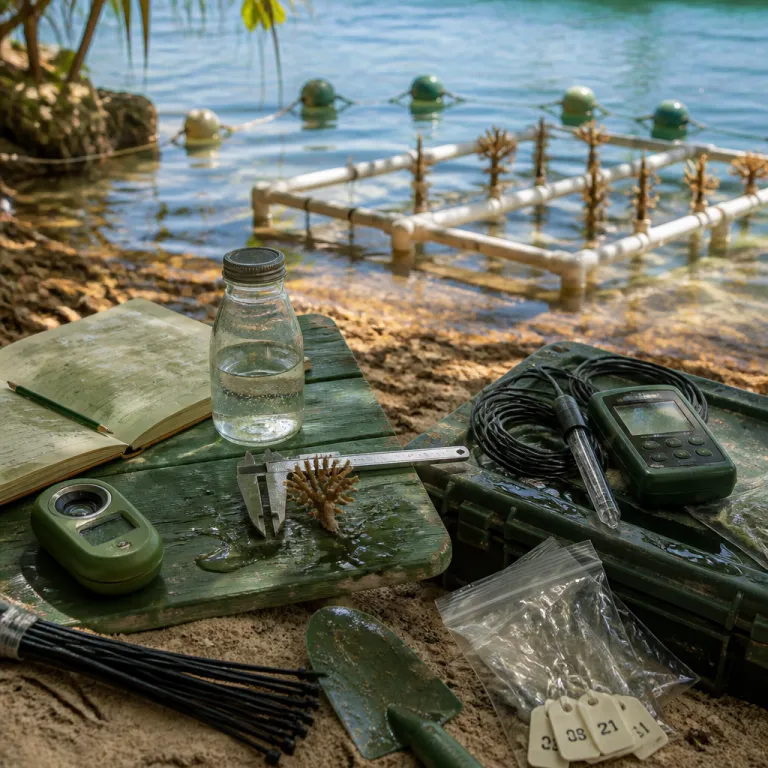
Round Hill Hotel and Villas, set west of Montego Bay, has supported a coral restoration project that uses underwater clothesline style structures to grow coral before transplanting it back to the reef, and that work directly benefits the calmness of the bay in front of the property. Project summaries from local marine teams report nursery survival rates often above 70 percent for certain staghorn and elkhorn fragments over 12–18 month periods before outplanting, with dates and methods documented in annual monitoring reports. The Sandals Foundation manages nurseries at sites such as Bluefields, Boscobel, and Whitehouse, and its teams use marine monitoring equipment to check coral health, fish populations, and the impact of no fishing zones on local livelihoods. Foundation updates from the mid-2010s through the early 2020s describe thousands of fragments grown and transplanted, along with measured increases in fish biomass around protected areas. As one project summary puts it without spin, “Hotels in Jamaica actively restoring coral reefs.”
Beyond these larger brands, smaller community based initiatives also anchor reef recovery. In places like Bluefields Bay and Whitehouse, local fishers’ cooperatives and dive operators work with scientists trained through programmes supported by CARIBSAVE and NEPA to track coral cover and fish biomass year after year. For you as guests, this science driven approach shows up in small but telling details during your stay. At check in, the front desk at a truly eco focused resort will brief you on reef safe sunscreen, explain which activities directly support sustainable tourism, and invite you to join guided snorkel tours that double as monitoring swims. When you browse stay-in-jamaica.com’s guide to what travelers should expect from Jamaica’s tourism sector this summer, use it as a baseline, then ask each hotel how its sustainability programme goes beyond energy saving amenities to measurable coral impact in the ocean just beyond the swimming pool.
Where luxury meets the nursery: guest-participation, reef-safe rules, and honest eco claims
The most interesting sustainable hotels in Jamaica for coral reef lovers now treat guests as partners in conservation, not just spectators. At these properties, you might start the morning in a junior suite with ocean views, then spend the afternoon helping a marine biologist clean algae from coral nursery trees before slipping into the hot tub. This kind of stay feels different from a standard resort inclusive package, because your room, your activities, and your access to the ocean are all woven into a bigger story about sustainable tourism.
Some Montego Bay and Ocho Rios area hotels now run guest-participation programmes where couples join small group snorkel sessions to photograph coral colonies, log fish sightings, or help with marine debris surveys along the reef. Dive operators working with the Sandals Foundation and local communities use coral gardening techniques and no fishing zones to rehabilitate degraded patches, and they invite resort guests to see the nurseries before and after transplantation so the impact is tangible. In several projects documented by the Coral Restoration Foundation and Jamaican partners, monitoring teams revisit outplanted sites every few months for at least two years, recording survival, growth, and the return of grazing fish that keep algae in check. When you read about how hurricane seasons are reshaping Jamaica’s luxury travel map on stay-in-jamaica.com, remember that healthy coral also softens storm damage, so your choice of hotel can either support or undermine that natural protection.
Reef safe sunscreen policies are another sharp line between marketing and reality in sustainable hotels in Jamaica that care about the coral reef. Serious eco friendly properties do not just suggest mineral sunscreen at the pool outdoor bar; they enforce it on all in water activities, provide complimentary reef safe options in every room, and train front desk and room service teams to explain why certain chemicals are banned. NEPA and international studies have flagged ingredients such as oxybenzone and octinoxate as harmful to coral larvae, with reports in the late 2010s and early 2020s detailing how these compounds affect reef reproduction and resilience, so hotels that still sell those lotions in the gift shop are ignoring well publicised science. When a hotel claims to be an eco resort inclusive property but still stocks oxybenzone based products, that is your cue to check whether its sustainability story is as thin as the plastic around those bottles.
Rooms, amenities, and reef ethics: choosing where to sleep by what lives offshore
For couples used to scanning photos of a swimming pool or a master suite before booking, it now pays to read the reef fine print as carefully as the spa menu. A truly sustainable hotel in Jamaica will show how its room categories, amenities, and activities align with coral protection, from low light pollution policies that help marine life to careful management of grey water that would otherwise seep into the bay. When you see terms like eco friendly or eco lodges on a website, treat them as a starting point and then ask how the property’s operations affect the ocean just beyond the shoreline.
Look for hotels that limit motorised sports in front of the property, maintain clear swim zones over sensitive coral, and design pool outdoor decks and infinity pools to reduce runoff into the sea. Some spring resort style properties near areas such as Coral Spring or Eden Bay now use natural vegetation buffers between the pool and the beach, and they rely on efficient filtration systems so the swimming pool does not become a hidden source of chemical pollution. At oceanfront resorts branded with names like Ocean Eden or Ocean Coral, the most credible sustainability stories include data on reduced plastic use, reef monitoring partnerships, and staff training on marine friendly service standards.
Inside the room, details such as refillable glass water bottles, clear recycling options, and information on reef safe behaviour matter as much as thread count when you care about sustainable hotels in Jamaica and the coral reef. High end suites such as a junior suite or a master suite should offer strong internet access so you can read up on local conservation projects, but they should also encourage you to step outside and join guided snorkel activities rather than just streaming shows in the game room. When the front desk team can talk as confidently about coral nurseries and sustainable tourism as they can about late check out, you know the property’s commitment runs deeper than a single eco label.
How to verify reef claims: certifications, questions to ask, and where to spend
Sorting genuine sustainable hotels in Jamaica from clever marketing requires a little homework before you book. Start by checking whether the resort holds recognised certifications that include marine criteria, then look for evidence of partnerships with organisations such as the Sandals Foundation, CARIBSAVE, or local community groups working on coral restoration. Properties involved in projects like the Bluefields, Boscobel, or Whitehouse nurseries usually share updates about coral growth, fish return, and shoreline protection, because those results show guests that their stay supports more than just a pretty ocean view.
When you contact a hotel, ask specific questions about its coral work rather than broad eco claims about sustainability or green operations. Good signs include staff who can explain how coral gardening and no fishing zones near the bay help restore fish populations, or who invite you to join guided snorkel tours that double as monitoring activities during your stay. If a property mentions a spring resort location such as Coral Spring or Eden Bay, ask how it manages spring water runoff so that nutrients do not fuel algae growth on nearby coral, and how its pool outdoor design prevents chlorinated water from reaching the reef.
On arrival, use your own eyes to check whether the hotel’s behaviour matches its sustainable tourism story. Are there clear rules about reef safe sunscreen at the swimming pool and on the beach, and does room service avoid single use plastics that might end up in the ocean after a windy night on the balcony? Do you see information about coral projects in public areas such as the lobby, the game room, or near the front desk, and are staff comfortable explaining how your resort inclusive package contributes to conservation? When a property treats the coral reef as a shared asset rather than a backdrop, that is where your travel budget does the most good for Jamaica’s coast.
Wellness, culture, and the reef: designing a stay that feels good and does good
Choosing sustainable hotels in Jamaica that support the coral reef does not mean sacrificing romance, comfort, or indulgence. The most interesting properties now weave marine conservation into a wider sense of wellness that includes local food, Jamaican culture, and time in nature away from the usual resort soundtrack. A couple might spend the morning snorkelling over a restored coral garden, the afternoon in a spa pavilion listening to the ocean, and the evening at a low key jerk stand where the fish on the grill comes from reefs protected by the very hotel they are staying in.
Some eco minded hotels pair reef focused activities with inland experiences that honour Jamaica’s natural heritage, such as guided walks in the Blue Mountains or traditional healing rituals linked to bush medicine and mineral springs. When you read stay-in-jamaica.com’s feature on indigenous wellness traditions and Blue Lagoon style baths, you will see how water, from mountain spring to coral bay, shapes the island’s sense of balance and resilience. Designing a trip that connects these dots lets your stay support both marine ecosystems and the communities that have lived with them long before tourism arrived.
Back at the property, the most rewarding evenings often unfold in quiet corners rather than at the loudest bar near the swimming pool. A glass of rum on your balcony, a late night dip in a hot tub that uses efficient heating systems, or a slow walk along the beach to listen for waves breaking over living coral can feel more luxurious than any crowded game room. When you leave, the memories that linger are not just of a spacious junior suite or a perfectly made bed, but of knowing that your choice of hotel helped Jamaica’s reefs breathe a little easier for the next generation of guests.
FAQ: sustainable hotels in Jamaica and the coral reef
Which hotels in Jamaica are involved in coral restoration ?
Sandals properties working through the Sandals Foundation and Round Hill Hotel and Villas near Montego Bay are among the best known hotels actively involved in coral restoration in Jamaica. They support coral nurseries, reef monitoring, and community partnerships that aim to rebuild degraded reef systems. Project reports from these programmes describe thousands of coral fragments grown in nurseries and transplanted over multi year periods, with regular checks on survival and growth and dates clearly listed in annual summaries. When choosing where to stay, ask each property how it contributes to these or similar programmes along the coast.
What methods are used for coral restoration in Jamaica ?
Projects supported by hotels and their partners typically use coral gardening, where fragments are grown in underwater nurseries before being transplanted back to the reef. Many initiatives also establish no fishing zones to give recovering coral and fish populations a better chance to rebound. These methods rely on regular monitoring with marine equipment to track coral growth and ecosystem health over time, and they often follow protocols developed by organisations such as the Coral Restoration Foundation and refined by local scientists.
Why is coral restoration important for travelers staying at Jamaican hotels ?
Coral restoration helps protect shorelines from storm damage, supports the fish populations that supply hotel restaurants, and keeps the water clear for snorkelling and swimming. For travelers, healthier reefs mean better marine experiences just steps from the room and more resilient coastal communities around the resort. Supporting hotels that invest in coral work ensures your stay contributes to the long term appeal of Jamaica’s bays and beaches.
How can guests verify a hotel’s sustainability and reef protection claims ?
Guests can start by checking for recognised environmental certifications and looking for clear information about coral projects on the hotel’s website or in pre arrival materials. It helps to ask specific questions about partnerships with organisations such as the Sandals Foundation, the Coral Restoration Foundation, or local community groups. Once on site, look for consistent practices such as reef safe sunscreen policies, reduced plastic use, and staff who can explain how the property supports sustainable tourism.
Can guests participate directly in coral conservation during their stay ?
At some Jamaican resorts, guests can join guided snorkel tours that include reef monitoring, help clean coral nursery structures, or take part in marine debris surveys along the beach. These activities are usually led by trained staff or partner organisations to ensure they are safe for both people and the reef. When booking, ask the hotel which guest programmes contribute directly to coral restoration and how often they run.
Sources
National Environment and Planning Agency (Jamaica), including islandwide reef status reports from the early 2000s through the 2010s; Coral Restoration Foundation technical summaries on Caribbean coral gardening; CARIBSAVE climate and coastal resilience projects; Sandals Foundation coral nursery and marine conservation updates published between approximately 2010 and 2023.