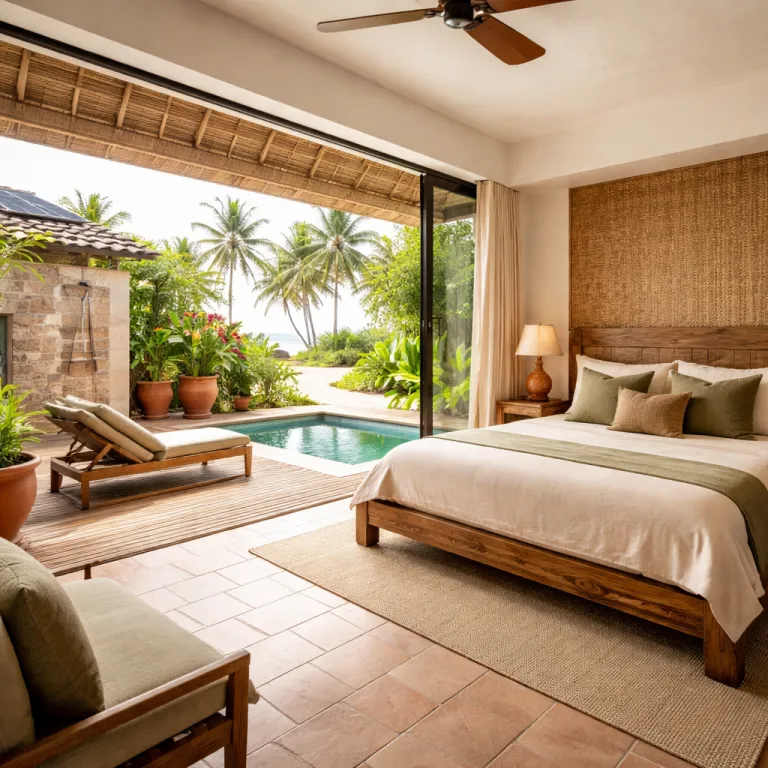
Eco lodge Jamaica luxury: what it really looks like now
Eco lodge Jamaica luxury has moved far beyond the old idea of rustic cabins. Across the island, newer retreats blend refined service with serious sustainable practices, giving families space, comfort, and a lighter footprint. For travelers used to a classic luxury hotel or all inclusive resort, the surprise is how polished these eco friendly rooms, villas, and hill hideaways have become.
On stay-in-jamaica.com we see premium families asking the same question about Jamaica; can an eco lodge deliver the same ease as a five star resort in Montego Bay or Ocho Rios? The answer is yes, when you choose properties that treat sustainability as a design principle rather than an afterthought, from solar energy systems to careful water conservation. A 2023 Jamaica Tourist Board briefing on sustainable tourism notes that certified properties must track energy, water, and waste, which is why many of these retreats are set in wilder corners of the island where bird calls, ocean breeze, and nearby mountains national parks become part of the experience.
Camp Cabarita Eco Resort in the hills above western Jamaica is a strong example of eco lodge Jamaica luxury done right. Built with sustainable materials beside a clear river, it offers a handful of spacious rooms and suites where you can fall asleep to birds and wake to coffee grown on nearby farms. The resort reports that solar panels now provide a substantial share of its electricity, and families can learn how the team works with the local community on conservation projects, from river cleanups to tree planting that protects marine life downstream.
GoldenEye on Oracabessa Bay shows how a high end Jamaican resort can integrate eco friendly thinking without losing its glamorous edge. Villas and lodges sit between lagoon and beach, with native plants that shelter birds and help protect the shoreline from erosion. GoldenEye has held Green Globe certification in recent years, and here, eco lodge Jamaica luxury means paddle boarding over coral and turtle habitat in the morning, then returning to a room with polished wood, soft linens, and discreet technology that keeps energy use low.
Further east, Green Castle Estate on the north coast positions itself as a private eco destination for travelers who care about bird conservation and wild landscapes. The estate’s lodges sit between forested hill and ocean, giving direct access to trails where you can spot endemic Jamaican birds and look down to the reef line. Green Castle has documented more than 170 bird species on its property, and this is eco lodge Jamaica luxury for families who would rather trade a swim up bar for a guided walk at dawn and a quiet beach with nesting turtle sites protected through active turtle conservation work.
From Blue Mountains to Treasure Beach: where eco luxury feels effortless
The most interesting eco lodges in Jamaica now form a loose triangle between the Blue Mountains, Portland’s wild coast, and the low key bays of Treasure Beach. Each region offers a different expression of eco lodge Jamaica luxury, but all share a commitment to sustainable tourism and a strong relationship with the local community. For families, that means you can choose between misty mountains, calm coves, or dramatic cliffs without giving up comfort or service.
In the Blue Mountains, Fern Hill Club and Cattleya Cottage show how hill properties can feel both secluded and indulgent. Rooms are wrapped in timber and stone, with wide verandas facing Jamaica’s highest ridges and the protected forests of the nearby national park, where conservation of birds and endemic plants is a daily reality. These eco lodges use solar energy for hot water, harvest rain for gardens, and work with Jamaican farmers on farm to table menus that let children learn where their food comes from.
Port Antonio remains the spiritual home of low key Jamaican glamour, and it is where eco lodge Jamaica luxury feels most naturally woven into the landscape. Properties like Fern Hill Club sit above the ocean, with views that sweep from forested hill to the deep blue marine horizon. Families can split days between quiet beach time, guided hikes into the mountains national park areas, and boat trips that reveal coral reefs and marine life without the crowds of Montego Bay or Ocho Rios.
On the south coast, Treasure Beach has become a reference point for community led sustainable tourism in Jamaica. Small lodges and villas here often run on a mix of grid and solar energy, support turtle conservation on nearby beaches, and employ almost entirely from the local community. The Treasure Beach community tourism model has been highlighted in regional studies for keeping more visitor spending in local hands, and this is eco lodge Jamaica luxury in its most relaxed form; barefoot dinners on the sand, children watching birds at dusk, and rooms cooled by sea breeze as much as by efficient fans.
If you want a broader overview of how luxury and sustainability intersect across the island, the guide to luxury eco hotels in Jamaica maps out properties from Port Antonio to Montego Bay. It highlights which eco lodges hold certifications such as Green Globe or local sustainable tourism labels, and which are simply doing the work quietly through conservation partnerships. Use it as a planning tool to balance beach days, hill retreats, and time near coral reefs or marine parks that interest your family most.
Certifications, conservation and what “sustainable” really means in Jamaica
Eco lodge Jamaica luxury is not just about bamboo straws and a herb garden. The most serious properties in Jamaica align with the Jamaica Tourist Board’s Certification for Sustainable Tourism program or international schemes such as Green Globe, which audit energy use, waste, and community impact. When you see these labels, you know the hotel or resort has been measured against clear standards rather than marketing alone.
Many Jamaican eco lodges now run on a hybrid system that combines solar energy with efficient grid power, cutting emissions while keeping air conditioning and Wi Fi reliable for families. Water conservation is handled through low flow fixtures, rainwater capture, and greywater systems that feed gardens instead of coral damaging runoff into the ocean. Behind the scenes, staff are trained to separate waste, reduce single use plastics, and support conservation projects that protect marine life, birds, and fragile hill ecosystems.
Coastal properties from Oracabessa Bay to Ocho Rios and Montego Bay are increasingly involved in coral restoration and turtle conservation. Guests might join a night walk to see turtle nesting on a quiet beach, or snorkel above coral reefs where marine biologists are replanting coral fragments to rebuild habitat for fish and other marine species. Inland, estates near the Blue Mountains and mountains national park zones support reforestation and bird monitoring, helping to keep Jamaica’s highest ridges forested and resilient.
One widely used explanation from sustainable tourism guidelines is simple and clear; “An eco-lodge is a lodging facility designed to have minimal environmental impact.” That definition matters when you are comparing eco lodges with conventional hotels that may use the word “eco” loosely. On stay-in-jamaica.com we look for evidence of real sustainable tourism practices, from published energy data to partnerships with local community groups and environmental organizations.
Storm seasons have also pushed the conversation about resilience and sustainability into the mainstream of Jamaican luxury travel. Recent Atlantic hurricanes have shown that properties investing in stronger building standards, renewable energy, and healthy coral reefs tend to bounce back faster after extreme weather, which directly affects your future bookings. For a deeper look at how climate and coastal change are reshaping where to stay, read our analysis of how recent hurricanes are reshaping Jamaica’s luxury travel map and what that means for eco lodge Jamaica luxury choices along the beach and on the hill.
Family comfort: what to expect from rooms, service and pricing
Parents often worry that eco lodge Jamaica luxury means compromising on comfort for the sake of principles. In reality, the best Jamaican eco lodges now offer rooms and suites that rival high end hotels, with high thread count linens, strong showers, and thoughtful design that frames views of the ocean, hill, or forest. The difference is that behind the scenes, solar energy heats the water, natural ventilation reduces air conditioning hours, and local materials keep the building cool.
At places like Hawksbill Villa on the north coast, eco friendly design is almost invisible to children who simply see a beachfront retreat with a private pool and easy beach access. Parents, meanwhile, notice the way greywater irrigates gardens, how lighting is low impact to protect birds and turtle nesting, and how the local community is woven into service from cooking to guiding. This is eco lodge Jamaica luxury where you can move from a shaded veranda to the beach in a few steps, knowing that marine life offshore is being protected through careful conservation.
Price wise, eco lodges in Jamaica sit across a spectrum that overlaps with traditional luxury resorts. Some, like GoldenEye or Jamaica Inn near Ocho Rios, command premium rates that reflect their history, location, and high touch service, while still integrating sustainable tourism practices and marine conservation. Jamaica Inn, for example, has supported local marine protection initiatives and beach cleanups for years, while others such as Camp Cabarita Eco Resort or Green Castle Estate offer more accessible nightly rates, especially for families willing to trade a central Montego Bay address for a hill or estate setting where birds, rivers, and forest replace nightlife.
Compared with a large all inclusive resort, eco lodges usually have fewer rooms and more flexible meal plans. That can be an advantage for families who prefer to explore local restaurants, support the nearby community, and learn about Jamaican food culture beyond the buffet. It also means you should book early, because limited room numbers and growing demand for eco lodge Jamaica luxury stays can make peak dates sell out months in advance.
When you want a hybrid option that blends large scale amenities with greener thinking, consider refined all inclusive properties that are upgrading their sustainability credentials. Our review of the Royalton White Sands in Montego Bay explains how a bigger resort can still move toward eco friendly operations while offering water parks and kids’ clubs. Use these comparisons to decide whether your family leans toward intimate eco lodges, a classic luxury hotel, or a mix of both during a longer Jamaica itinerary.
Nature, ocean and culture: experiences that define eco luxury stays
Eco lodge Jamaica luxury is as much about what you do as where you sleep. Properties that take sustainability seriously tend to curate experiences that connect you with Jamaica’s marine life, forests, and culture in ways that feel both relaxed and meaningful. For families, this means days that balance beach time, gentle adventure, and chances to learn without it ever feeling like school.
On the coast near Oracabessa Bay, Ocho Rios, and Port Antonio, eco lodges often partner with dive shops and marine biologists to offer low impact snorkeling and scuba diving. Children can float above coral reefs while guides explain how coral, fish, and turtle species interact, and why turtle conservation and coral restoration matter for the future of Jamaican beaches. Some properties even run their own small marine conservation projects, from coral nurseries to beach cleanups that involve guests and the local community.
Inland, estates near the Blue Mountains and mountains national park areas focus on bird watching, coffee farm visits, and river adventures. At Green Castle Estate, for example, guided walks introduce families to Jamaica’s endemic birds, medicinal plants, and the way hill forests protect downstream coral reefs by filtering sediment before it reaches the ocean. Camp Cabarita Eco Resort offers river tubing and hiking that highlight how clean upland water supports marine life and beach health many kilometres away.
Cultural immersion is another pillar of eco lodge Jamaica luxury, especially in places like Treasure Beach and Port Antonio where the local community remains at the centre of tourism. Families might join a cooking class using produce from on site gardens, visit a nearby school supported by the lodge, or attend a small sound system session where Jamaican music is shared on local terms. These experiences turn a simple hotel stay into a relationship with place, deepening your understanding of how sustainable tourism can support livelihoods while protecting land and sea.
Even classic names such as Jamaica Inn are expanding their eco friendly offerings, from beach cleanups to partnerships with conservation groups working on marine life protection. When you compare lodges and resorts, look beyond the activity list to see how each experience relates to conservation, community, or education. The best eco lodges in Jamaica make it easy to move from a quiet room to a meaningful encounter with birds, coral, or culture, then back to a candlelit dinner under the stars.
How to book smart: platforms, packing and practical tips
Booking eco lodge Jamaica luxury stays requires a slightly different mindset from reserving a large resort. With fewer rooms and more remote locations, these Jamaican lodges reward travelers who plan ahead, ask detailed questions, and think about logistics from airport to hill or beach. The payoff is a smoother arrival, happier children, and more time to enjoy the ocean, birds, and gardens once you are there.
Whenever possible, consider booking directly with the hotel, resort, or eco lodge rather than only through a global platform. Direct contact lets you confirm how eco friendly operations really are, from solar energy systems to waste management, and it often opens the door to tailored room configurations for families. You can also ask about transfers from Montego Bay or Kingston, local community projects you might support, and the best season for marine life encounters such as turtle nesting or peak bird migration.
Packing for eco lodges in Jamaica is about balancing comfort with respect for fragile environments. Bring reef safe sunscreen to protect coral reefs, lightweight long sleeves for hill evenings in the Blue Mountains, and reusable water bottles to cut plastic waste on the beach or trail. If you plan to snorkel or try scuba diving, consider your own mask to reduce shared equipment, and pack binoculars so children can spot birds and marine life from the veranda of your room.
Before confirming a stay, read how each property defines its role in sustainable tourism and conservation. Look for clear references to national park partnerships, turtle conservation programs, or Green Globe style certifications, rather than vague “eco” language that could apply to any hotel. Remember that “Are eco-lodges in Jamaica expensive?” has a nuanced answer; “Prices vary; some eco-lodges offer luxury experiences at premium rates,” while others sit closer to mid range hotel pricing.
Finally, keep an eye on flexibility policies, especially during peak travel periods when Jamaica’s visitor numbers surge and weather patterns can shift. Many eco lodges are small businesses deeply tied to the local community, so fair cancellation terms protect both you and them. With thoughtful planning, your eco lodge Jamaica luxury holiday can support conservation, strengthen community projects, and still feel every bit as indulgent as a traditional Caribbean escape.
Key figures shaping eco lodge luxury in Jamaica
- According to a recent Sustainable Travel Report from Booking.com, around 70% of global travelers now say they are seeking sustainable accommodations, a trend that directly supports the growth of eco lodges and certified green hotels in Jamaica.
- Jamaica’s national tourism strategy aims to welcome several million visitors annually in the coming years, which is pushing resorts and eco lodges to adopt stronger sustainable tourism practices to protect beaches, coral reefs, and marine life.
- Many leading eco lodges in Jamaica now generate a significant share of their power from solar energy, with some properties reporting that panels supply more than half of daytime electricity, reducing dependence on fossil fuels and cutting operating emissions while maintaining luxury level comfort for guests.
- Community based tourism projects in areas such as Treasure Beach and the Blue Mountains have grown steadily over the past decade, creating new income streams for the local community while supporting conservation of hill forests and coastal ecosystems.
- Certification schemes such as Green Globe and the Jamaica Tourist Board’s Certification for Sustainable Tourism program have expanded their presence on the island, giving travelers clearer signals about which hotels and resorts meet verified environmental and social standards.
FAQ about eco lodge Jamaica luxury stays
What is an eco lodge in the Jamaican context?
In Jamaica, an eco lodge is a small scale hotel or resort designed to minimise environmental impact while supporting the local community. Many use solar energy, rainwater harvesting, and local materials, and they often participate in conservation projects that protect marine life, birds, and forests. The goal is to offer genuine comfort while keeping operations aligned with sustainable tourism principles.
Are eco lodges in Jamaica suitable for families with children?
Most eco lodges in Jamaica welcome families and increasingly design rooms, villas, and activities with children in mind. You can expect flexible bedding, safe access to the beach or hill trails, and guided experiences such as bird watching, turtle conservation walks, or gentle river adventures. Always check age limits for activities like scuba diving and confirm whether the property offers child friendly menus and early dinner times.
How do eco lodges compare in price to traditional luxury resorts?
Prices for eco lodge Jamaica luxury stays vary widely, from premium rates at iconic resorts with strong sustainability programs to more moderate pricing at smaller hill or beach lodges. In general, you may pay a similar nightly rate to a high end hotel, but you are also funding conservation and community initiatives. Some properties offer better value for longer stays or shoulder season travel, so flexible dates can make a real difference.
What kind of activities can we expect at Jamaican eco lodges?
Activities typically focus on nature, culture, and low impact adventure rather than loud nightlife. Families can snorkel or dive on coral reefs, join guided hikes in the Blue Mountains or near national park areas, visit farms and markets, or participate in beach cleanups and turtle monitoring. Many lodges also offer yoga, river tubing, and cooking classes that highlight Jamaican ingredients and traditions.
How can I check if an eco lodge is genuinely sustainable?
Look for clear information on certifications such as Green Globe or the Jamaica Tourist Board’s sustainable tourism program, and read how the property manages energy, water, and waste. Serious eco lodges will describe partnerships with the local community, conservation groups, or marine projects, and may publish impact reports or data. If details are vague, email the hotel with specific questions about solar energy use, turtle conservation, or coral reef protection and judge them by the clarity of their answers.