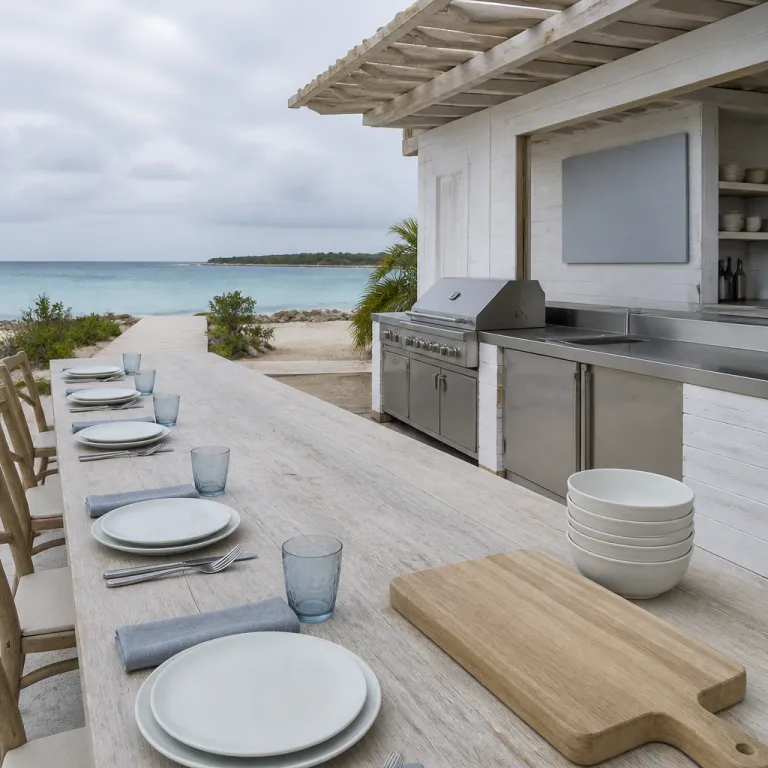
Why the best restaurants for Jamaican local food start off the resort map
Ask any serious chef in Jamaica where they eat on their day off and you rarely hear the name of a hotel dining room. They talk instead about a roadside jerk drum in montego bay, a fried fish stall in Hellshire Bay, or a tiny kitchen in Kingston Jamaica where the curry goat sells out by midday and the only menu is whatever fits in the pot. For travelers using a luxury booking site, understanding these habits is the real shortcut to the best restaurants for Jamaican local food and to experiences that feel genuinely connected to place.
On stay-in-jamaica.com we spend as much time at these off duty haunts as we do at infinity pool suites, because the image of Jamaica that matters most is the one on your plate. The island counts an estimated 500 roadside eateries, according to the Jamaican Tourism Board, and many of the greatest plates of Jamaican food come from these low key spots rather than from any white tablecloth dining room. When you book a premium stay in Montego Bay or Ocho Rios, you are really booking a base camp for a food tour that should stretch from jerk chicken smoke pits to Sunday dinner kitchens.
Chefs here know that food tastes different when the cook is cooking for neighbors, not for a comment card. That is why our guide to the best restaurants Jamaica local food scene always pairs a five star hotel recommendation with a list of places where the same chefs actually eat. Read this as a field manual ; then match each parish to a stay, from a hilltop retreat above Kingston to a Montego Bay resort with an infinity pool that you use only between meals.
Kingston Jamaica: Chinatown steam, Sunday tables and the real breakfast circuit
Kingston Jamaica is where you feel the island’s food story in full, from Chinese Jamaican steam tables to uptown Sunday dinners that run later than some clubs. In the old Chinatown grid downtown, Chinese Jamaican families have been folding soy, ginger and Scotch bonnet heat into Jamaican food for generations, long before anyone used the word fusion. You line up with office workers and taxi drivers, point at trays of pork, greens and noodles, and eat a plate that quietly explains why the best restaurants for Jamaican local food are not always the prettiest rooms.
Breakfast is where Kingston shows its class and style, and where you should start any serious food tour. Look for small canteens near Half Way Tree or Cross Roads serving ackee and saltfish with boiled green banana, roasted breadfruit and strong local coffee, and you will see why locals rate these places above any hotel buffet. The plates are simple, but the balance of salted cod, buttery ackee, Scotch bonnet and fresh thyme is what makes traditional Jamaican breakfast feel like a full portrait of the island in one meal.
On Sundays, many Kingstonians still head to family homes, but a growing number book tables at restaurants in neighborhoods like New Kingston or at hillside properties such as Strawberry Hill, where the view over the city pairs with slow braised oxtail and a cold Red Stripe. If you are planning a stay at one of the city’s premium hotels or at a nearby private island resort, use a guide to Jamaica private island escapes as your lodging reference, then build your eating schedule around these local Sunday institutions. Time your day so you can eat curry goat for a late lunch, sip coffee in the hills, then head downtown for Chinese Jamaican plates that show another side of the capital.
Montego Bay and the north coast: jerk smoke, seaside Dutch pots and chef favorites
Montego Bay sells an image of all inclusive ease, but the chefs who work those buffets often clock out and head straight for smoke and fire. They go to jerk spots where the chicken is still grilled over pimento wood, to Montego Bay institutions like Pork Pit for ribs and jerk pork, and to small cookshops where curry goat bubbles in dented Dutch pots. If you are staying at a luxury resort in Montego Bay, the best restaurants for Jamaican local food are often a short taxi ride away, not inside the lobby.
One name you will hear from industry insiders is Seaside Dutchie at Cole’s Island, operated by executive chef Andrew Cole, where meals arrive in traditional Dutch pots set directly on your table. Another is Moonies at Elshire Beach, recommended by chef Levi Roots, which has become a quiet legend for fish and vegetables served in generous portions to families who make the drive from Kingston. These are the kinds of places that prove the food is better when the cook is cooking for regulars, and they are why we tell guests to read guides that go beyond the buffet before they even choose a room category.
Montego Bay also works as a launch pad for a wider north coast tour that includes Ocho Rios, where roadside jerk stands and small seafood shacks still serve some of the most characterful Jamaican food on the island. In Ocho Rios you might eat jerk chicken from a drum on the sidewalk, then walk to a tiny bar for a cold Red Stripe and a plate of fried fish that never appears on any printed menu. Between meals, your infinity pool and spa back at the hotel become a reset button, not the main event, and that shift in priorities is what separates a good trip from a great one.
Portland and Boston Bay: original jerk, fish fry fires and slow coastal days
Portland parish is where the story of jerk began, and where the best restaurants for Jamaican local food still look more like sheds than dining rooms. Around Boston Bay you find a cluster of jerk stalls, each with its own guarded seasoning mix of Scotch bonnet, pimento, scallion and thyme, and the smoke hangs over the bay like a permanent weather system. You order jerk chicken or jerk pork by weight, watch it chopped with a cleaver, then eat at a wooden table while waves break just beyond the sand.
Chefs from Kingston and Montego Bay quietly make the drive east on their days off, because the jerk here sets the benchmark for the rest of Jamaica. They will often follow jerk with a Boston Bay fish fry, where whole fish are seasoned, fried crisp and served with bammy or festival, and where the only class distinction is how early you arrive before the best fish sell out. This is not fast food in the global sense ; it is fast only because the oil is already hot and the cook has been doing the same motion for decades.
Portland days move at a different speed, which pairs beautifully with a stay at a low key luxury property where the infinity pool feels like an afterthought to the sea. Between swims you can take a coastal tour that links Boston Bay to tiny riverside cookshops, stopping for coffee grown in the nearby Blue Mountains and for plates of traditional Jamaican stews. For guests who want to feel the island rather than just see an image of it, this parish is where the food, the landscape and the time of day fall into perfect rhythm.
Hellshire, Middle Quarters and roadside culture: where 500 cookshops feed the island
The Jamaican Tourism Board estimates around 500 roadside eateries across the island, and many of them sit far from any resort gate. Hellshire Beach, near Kingston, is one of the most famous clusters, a sandy strip lined with wooden shacks where you choose your fish from a bucket, then wait while it is fried and served with festival, bammy and a cold Red Stripe. Chef Levi Roots sums up the appeal in one simple line : "Visit Moonies at Elshire Beach for generous portions."
Further west, in Saint Elizabeth, Middle Quarters is known for peppered shrimp sold in plastic bags from roadside stalls, a snack that chefs and drivers alike swear by on long drives between Kingston and Montego Bay. These stands show why the best restaurants for Jamaican local food are sometimes just a table, a pot and a single burner, and why food better than many formal dining rooms can come from a place with no sign. You stop, you eat, you move on, and the memory of Scotch bonnet heat on your fingers stays longer than any Instagram post.
For travelers booking high end stays, the smartest move is to treat these roadside stops as essential parts of the itinerary rather than as risky detours. Use your driver, concierge or even your tour guide to point out their own favorite places to eat, then build a loose route that might include Middle Quarters shrimp, a jerk drum near Montego Bay and a late night stop at a Juici Patties outlet for a fast food version of the classic patty. This is how you turn transfers between hotels into rolling food tours, and how you start to eat like the people who cook for you at the resort.
From Devon House to Strawberry Hill: heritage plates, patties and hillside views
Some of the best restaurants for Jamaican local food sit inside heritage properties that tell as much history as any museum. Devon House in Kingston, a grand nineteenth century mansion, anchors a courtyard of eateries where you can move from patties to ice cream to sit down meals in a single slow afternoon. Locals come for the atmosphere as much as for the food, and chefs often meet here on days off to eat, talk and watch the city drift by.
Up in the Blue Mountains, Strawberry Hill offers another kind of Kingston escape, with a menu that leans into traditional Jamaican dishes like curry goat and oxtail while also serving lighter plates that suit the altitude. You sit on a veranda with coffee grown on the surrounding slopes, look down at Kingston Jamaica far below, and understand why this place appears on so many chefs’ private lists. It is not just the food ; it is the way the house, the garden and the view frame each plate.
Nearby, the Bob Marley Museum and the smaller Marley Museum sites in Kingston remind visitors that music and food culture here are intertwined, and many travelers pair a morning tour with lunch at a local cookshop. After walking through the rooms where Bob Marley lived and recorded, a plate of curry goat or ackee and saltfish eaten at a modest place nearby feels more grounded than any themed restaurant. For guests staying in luxury hotels, these heritage stops offer a way to balance infinity pool time with context, turning a comfortable trip into something with real depth and flavor.
How luxury hotels in Jamaica now curate off-duty chef routes for guests
The most forward thinking luxury hotels in Jamaica have started to accept that their own restaurants, however polished, are only one chapter in a guest’s food story. Instead of pretending to be the only answer to the best restaurants for Jamaican local food, they now curate routes that mirror where their own chefs eat on days off. Concierges keep informal lists of jerk spots, roadside fish shacks and Kingston canteens, and they arrange drivers who know exactly which place is still serving at a given time.
At some Montego Bay properties, you can book an evening that starts with cocktails by the infinity pool, then continues with a guided run to Pork Pit for jerk pork, followed by a stop at a small bar for Red Stripe and late night patties. In Kingston, hotel teams increasingly send guests to Devon House for patties, to Chinese Jamaican counters downtown for lunch, and to hillside restaurants like Strawberry Hill for sunset, rather than trying to keep everyone in house. This shift reflects a quiet understanding that food better than any room service tray often waits just beyond the gate.
For travelers who want to go even deeper, some hotels now partner with local chefs and critics to design custom food tours that might include Seaside Dutchie at Cole’s Island, Moonies at Elshire Beach and a stop at a Juici Patties outlet to compare fast food versions of classic flavors. One recommended planning move is to pair such a tour with a slow day on the river, using experiences like bamboo rafting on the Great River as a calm counterpoint to the intensity of jerk smoke and Scotch bonnet heat. When your hotel acts as a base for these off duty chef routes rather than as a sealed world, Jamaica’s food, music and daily life come into focus in a way no brochure can match.
Key figures behind Jamaica’s off-duty chef food culture
- The Jamaican Tourism Board estimates around 500 roadside eateries across Jamaica, which means travelers can encounter local food culture in almost every parish, not just in major resort hubs.
- Montego Bay and Ocho Rios together host a large share of the island’s luxury rooms, yet many of the most praised jerk chicken and jerk pork spots sit outside resort zones, often requiring a 10 to 20 minute taxi ride.
- Heritage sites such as Devon House and the Bob Marley Museum attract hundreds of visitors daily in peak season, and a significant portion of those guests pair their visit with a nearby meal, reinforcing the link between culture and cuisine.
- Informal surveys by local food critics indicate that a majority of Kingston based chefs eat at least three off property meals per week at small cookshops, Chinese Jamaican canteens or roadside stands.
- Coastal parishes like Portland and Saint Elizabeth, though less dense in hotel rooms, host some of the island’s highest concentrations of jerk and seafood stalls per kilometer of shoreline.
FAQ: Eating where chefs eat in Jamaica
Are roadside food stalls in Jamaica safe for travelers to try ?
Roadside stalls in Jamaica are a daily reality for locals, including chefs, and many serve excellent, freshly cooked food. Choose busy places with a steady turnover, watch how food is handled, and follow your driver or guide’s recommendations. If you have a sensitive stomach, start with cooked items like jerk chicken or fried fish rather than raw salads.
How can I find the best local restaurants near my luxury hotel ?
The most reliable method is to ask staff who actually live nearby, such as chefs, bartenders and drivers, where they eat on their days off. Many high end hotels now keep informal lists of jerk spots, fish shacks and patty shops that they trust, and they can arrange taxis that wait while you eat. Cross check names you hear repeatedly, then plan your meals around those consensus favorites.
What traditional Jamaican dishes should I prioritize on a short trip ?
If you have limited time, focus on jerk chicken or jerk pork, curry goat, oxtail, ackee and saltfish for breakfast, and at least one plate of fried fish with bammy or festival. These dishes appear in different styles from Kingston to Montego Bay and Portland, so tasting them in more than one parish shows how regional the food can be. Patties, peppered shrimp and Chinese Jamaican plates are excellent extras once you have covered the core classics.
Do I need reservations for local restaurants that chefs recommend ?
Many of the places where chefs eat off duty are casual spots that do not take reservations, especially roadside stalls and beach shacks. For more established restaurants in Kingston, Montego Bay or at heritage sites like Devon House and Strawberry Hill, calling ahead is wise on weekends and holidays. When in doubt, ask your hotel concierge or driver to phone the restaurant shortly before you arrive.
Can I explore Jamaica’s food scene without renting a car ?
Yes, you can rely on licensed taxis, hotel drivers and organized food tours to reach most recommended spots. In Kingston and Montego Bay, many key places sit within a short drive of major hotels, and drivers are usually familiar with popular jerk centers and fish shacks. For more remote areas like Portland or Middle Quarters, arranging a private driver for a half day or full day gives you flexibility to stop at multiple food stands along the way.