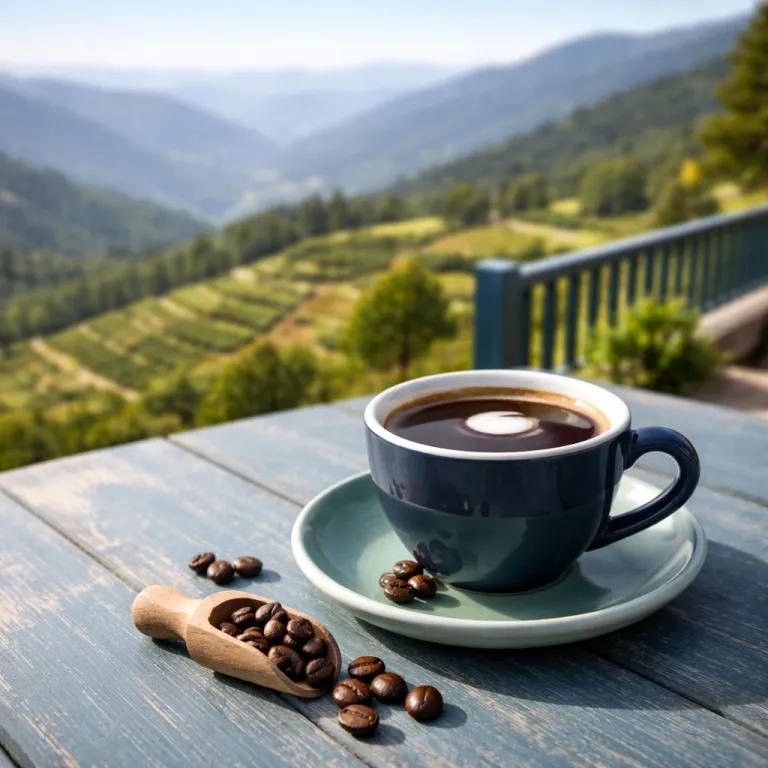
Why a Blue Mountain coffee Jamaica tour belongs on your luxury itinerary
High above Kingston, the air cools and the light shifts. The road climbs into the Blue Mountains, and suddenly your luxury escape in Jamaica is about more than beaches and rum cocktails. Here, a guided Blue Mountain coffee experience becomes the quiet, refined counterpoint to the island’s shoreline energy.
Jamaica Blue Mountain coffee is a protected designation grown on a narrow mountain range between roughly 900 and 1 700 metres. That altitude, combined with volcanic soil and mist that wraps the mountains for much of the day, slows the development of the coffee beans and concentrates flavor into a smooth, almost tea like cup. When you sip a freshly brewed Jamaican coffee at source, the balance of sweetness, acidity and aroma explains why many consider it one of the finest expressions of the Arabica plant.
For luxury travelers, a curated visit transforms these coffee farms into open air salons. You walk through a working coffee plantation with a private guide, learn how coffee grown on different slopes of the Blue Mountains develops distinct flavor profiles, then sit down for a structured tasting that rivals any wine flight. A tailored Blue Mountain coffee Jamaica tour can be combined with chauffeured transfers from your hotel, a gourmet brunch at an estate and time to select Jamaica Blue Mountain beans and signature blends to ship home.
From Kingston to the north coast: how to pair estates and hotels
Most serious coffee farms sit within easy reach of Kingston, which makes the capital an ideal base. High end hotels in New Kingston and the foothills offer early departures into the Blue Mountain range, so you can reach the estates before the mist lifts. If your trip focuses on beaches along the north coast, you can still fold a Blue Mountain coffee Jamaica tour into a longer transfer day between Ocho Rios, Port Antonio or even Negril.
From Kingston, Craighton Estate is one of the most accessible options for a structured tour. This historic property offers guided walks through its coffee plantation, explanations of how coffee beans are processed and a tasting session that highlights the smooth, delicate flavor that defines Jamaica Blue Mountain coffee. Tour operators such as Moon Jamaica and Nature Trails Jamaica package these experiences with private drivers, allowing you to move seamlessly between city hotels, mountain coffee estates and coastal resorts.
Travelers staying on the west coast often ask whether a coffee focused day is worth the drive from Negril’s beaches. The answer is yes, if you treat it as a full day immersion that contrasts the Caribbean Sea with the cool Blue Mountains in a single itinerary. You might spend one day on a luxury catamaran and another on a guided coffee excursion into the highlands, then balance both with curated seaside experiences using a guide to unforgettable activities to do in Negril for a luxury seaside escape.
Inside the estates: what actually happens on a Blue Mountain coffee tour
A serious Blue Mountain coffee Jamaica tour is not a quick photo stop. Expect two to four hours on the mountain, with guided walking tours through coffee farms and hands on demonstrations of how coffee beans move from cherry to cup. Operators typically schedule morning departures around 8.00 and quieter afternoon tours around 14.00, which allows you to plan around spa appointments or dinner reservations back at your hotel.
At Craighton Estate, guides lead you through sloping rows of coffee grown under shade trees, explaining how altitude in feet, rainfall and soil depth affect the final flavor. You see traditional pulping and washing equipment, learn how defects are removed from Jamaican coffee beans and understand why only a fraction of the harvest qualifies as Jamaica Blue Mountain grade. Tasting follows, where you sip several brews side by side and compare the smooth, almost buttery texture of Jamaica Blue Mountain cups with more robust coffee blends from lower elevations.
Other estates near Kingston and in the wider Blue Mountains offer variations on this template. Some invite guests to join during harvest, letting you pick cherries and feel the weight of a coffee basket on your shoulder during a more immersive experience. The most refined tours end with a seated tasting where you explore how different roast levels shift taste from floral and citrus to chocolate and spice, often paired with local pastries that show how coffee culture in Jamaica intersects with everyday things Jamaica residents enjoy. As one grower explained during a recent visit, “People taste the cup and think luxury, but up here it is also breakfast, neighbours talking and the way we keep the hills alive.”
Designing a luxury coffee itinerary: from spa suites to mountain trails
Thoughtful planning turns a Blue Mountain coffee Jamaica tour into a highlight rather than a rushed excursion. Start by choosing where you want to sleep, because the right hotel will shape how you experience both the Blue Mountains and the island’s beaches. In Kingston, hillside properties with panoramic views let you watch the mountain range glow at sunrise before you drive up to the estates.
Many luxury travelers now pair a night or two in the capital with a longer stay on the coast, using Kingston as a gateway to the Blue Mountain coffee region. You might arrive, check into a high floor suite, then head out the next morning for a private tour that includes Craighton Estate and another smaller coffee plantation for contrast. After a day of walking between coffee farms and tasting different coffee blends, you return to the city for dinner, then transfer the following day to a spa focused resort using a curated guide to luxury spa hotels in Jamaica.
For active travelers, some operators combine a Blue Mountain coffee Jamaica tour with light hiking or even a guided bicycle tour along quiet mountain roads. These itineraries suit solo explorers who want to feel the gradient of the Blue Mountains under their own power before sitting down to sip a perfectly brewed cup. Pack a light jacket for the cooler air, wear sturdy shoes for uneven paths and remember that Jamaica is not only about beaches; the highlands offer a different rhythm that rewards those who linger.
Understanding the value: why Blue Mountain coffee costs what it does
Luxury travelers often ask why a small bag of Jamaica Blue Mountain coffee can cost more than a bottle of mid range rum. The answer lies in scale, geography and demand, all of which you see clearly on a Blue Mountain coffee Jamaica tour. Annual production is reported at roughly four hundred thousand kilograms in recent JACRA summaries, and industry sources consistently note that around eighty percent of that Jamaican coffee goes straight to Japan, leaving limited volumes for the rest of the world. According to the Jamaica Agricultural Commodities Regulatory Authority (JACRA), this controlled output is central to maintaining quality and the protected designation.
On the ground, you notice how steep the Blue Mountains really are and how much work it takes to farm at these altitudes. Many coffee farms sit on slopes that machinery cannot reach, so coffee grown here is picked by hand, carried in baskets and processed in small batches at each estate. When you walk through Craighton Estate or another coffee plantation and watch workers sorting coffee beans by hand, the price tag on a tin of Jamaican Blue suddenly feels more like a reflection of labour and terroir than marketing.
Authenticity matters, because Jamaica is not immune to blends that dilute the name with cheaper origins. A guided tour helps you understand labels, so you can distinguish pure Jamaica Blue Mountain coffee from coffee blends that contain only a small percentage of beans from the Blue Mountains. Buying directly from estates or reputable hotel shops after a tasting ensures that the coffee Jamaica sends home with you matches the smooth, nuanced flavor you experienced in the cup. Estate information from producers such as Craighton and other certified farms reinforces how strictly the Jamaica Blue Mountain mark is controlled.
When to go, what to pack and how to extend the journey
Blue Mountain coffee tours operate year round, but the feel of the mountains shifts with the seasons. Mornings tend to be clearer, with views down to Kingston’s harbour and across the Blue Mountain range, while afternoons often bring mist that wraps the coffee farms in soft light. If you want to photograph the landscape and see the full sweep of the Blue Mountains, aim for an early tour and leave the later slot for a more introspective tasting focused experience.
Harvest periods offer another layer of interest for a Blue Mountain coffee Jamaica tour. During these months, you can watch pickers move between rows, see freshly pulped coffee beans flowing through channels and sometimes join in the work for a few minutes under supervision. Wear comfortable clothing, bring a light jacket for cooler mountain air and remember that Jamaica is not only about beaches and pool decks; the highlands reward those who trade a morning of sunbathing for a walk among coffee trees.
Many travelers pair coffee with rum, stopping at estates such as Worthy Park on the road between Kingston and the north coast to explore how sugarcane and coffee together shape Jamaica best flavours. A day that begins with a structured coffee tasting in the Blue Mountains and ends with a measured rum flight by the sea captures the island’s rum and coffee heritage in one sweep. For those who want to go deeper into things Jamaica does best, consider extending your stay to include multiple tours, from Craighton Estate to smaller family run farms where you can sip, taste and talk directly with growers about how coffee grown here continues to define Jamaican coffee culture.
Key figures on Blue Mountain coffee and tourism
- Annual Blue Mountain coffee production is approximately 400 000 kilograms, according to the Jamaica Agricultural Commodities Regulatory Authority (JACRA), which keeps supply intentionally limited in its most recent published overviews.
- Around 80 % of Jamaica Blue Mountain coffee is exported to Japan, leaving only a small share for other markets and contributing to higher prices for Jamaican Blue beans, as highlighted in recent trade reports and JACRA export data.
- Guided Blue Mountain coffee tours typically last between 2 and 4 hours, which allows luxury travelers to combine an estate visit with spa time or fine dining on the same day.
- Key tour operators such as Craighton Estate, Moon Jamaica and Nature Trails Jamaica work directly with local farmers, which helps channel tourism revenue back into coffee farms in the Blue Mountains.
FAQ about Blue Mountain coffee tours in Jamaica
What is Blue Mountain coffee ?
What is Blue Mountain coffee? A premium coffee variety grown in Jamaica's Blue Mountains. On a Blue Mountain coffee Jamaica tour, you see exactly where this mountain coffee is cultivated and why its smooth flavor and balanced acidity are so prized.
How can I book a Blue Mountain coffee tour ?
How can I book a Blue Mountain coffee tour? Contact tour providers like Craighton Estate or Moon Jamaica. Many luxury hotels in Kingston and along the coast can also arrange private tours, drivers and tastings as part of a tailored itinerary.
What should I wear for a Blue Mountain coffee Jamaica tour ?
What should I wear for the tour? Comfortable clothing and sturdy shoes suitable for walking. Because the Blue Mountains sit hundreds of feet above sea level and temperatures are cooler than on the beaches, a light jacket is also recommended.
Are Blue Mountain coffee tours suitable for solo travelers ?
Solo travelers are well served on a Blue Mountain coffee Jamaica tour, because groups are usually small and guides are used to answering detailed questions. You can join a scheduled tour at an estate like Craighton or arrange a private experience through operators such as Nature Trails Jamaica, with hotel pickups and flexible timing.
Can I buy authentic Jamaica Blue Mountain coffee during the tour ?
Most estates sell packaged coffee beans on site, often including single estate lots and limited coffee blends that never reach regular shops. Buying directly after a tasting lets you compare flavor profiles and ensures that the Jamaican coffee you take home is genuine Jamaica Blue Mountain rather than a generic blend.