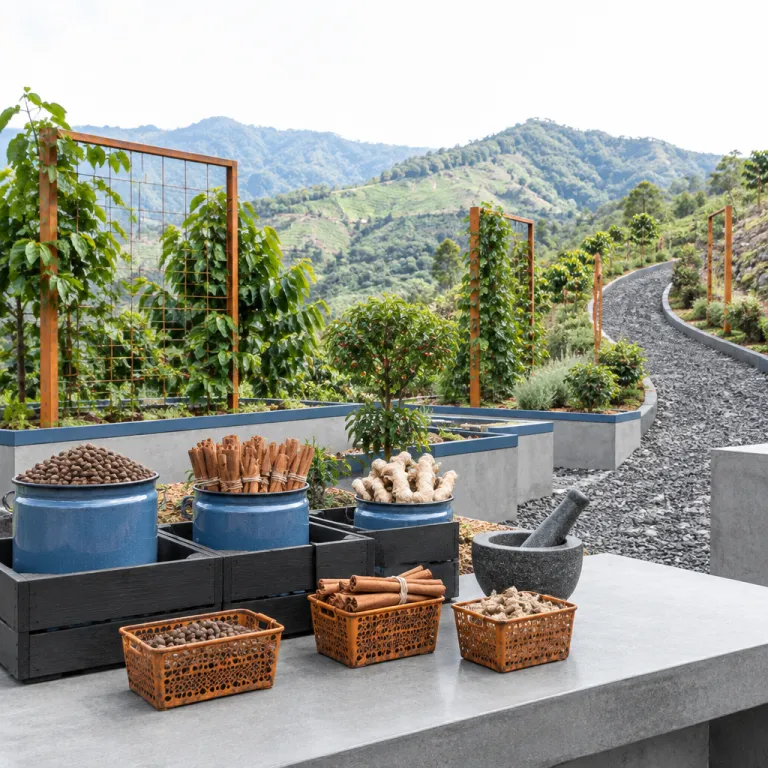
From coast to country: how luxury travelers are rethinking Jamaica
Jamaica agritourism spice garden trail itineraries are quietly reshaping how discerning guests move between coast and interior. For travelers used to polished resorts, the shift toward agricultural stays, spice gardens and mountain trails offers a deeper experience of the country that still pairs well with premium service and curated comforts. This new rhythm lets you split your travel between a refined beach hotel and a working farm where gardens, animals and medicinal plants frame your morning coffee.
On stay-in-jamaica.com, we see more guests pairing elegant beachfront stays with inland agritourism activities that feel both eco friendly and indulgent. A guest might spend three nights in an oceanfront suite, then add overnight stays near the Blue Mountains to visit small farms and walk spice gardens with a private guide. The key is the link between high end hospitality and hands on agricultural experiences, where food, landscape and people feel united rather than staged.
For solo travelers from the United States, this circuit offers independence without sacrificing safety or style. You can base yourself in a luxury property on the north coast, then arrange day tour options or one night farm stays that are tailored to your pace and interests. Think of the island as a single state sized playground for travel agritourism, where each parish adds a new layer of flavor, from coastal markets to misty coffee farms.
Why agritourism belongs on a luxury Jamaica itinerary
High end travelers increasingly want more than a beautiful room and a strong rum punch. They want an experience that links their plate to the farm, their spa ritual to local medicinal plants, and their morning hike to the agricultural history of the country. The jamaica agritourism spice garden trail concept answers that desire with curated visits that feel intimate, not industrial.
Instead of a generic excursion, you might walk through working farms where pimento, cacao and citrus grow side by side, guided by owners who speak frankly about markets, climate and community. These visits often end with food tastings under a mango tree, or with a simple lunch that shows how agricultural products move from soil to plate. For many guests, these activities become the most memorable part of their travel, precisely because they feel grounded and unfiltered.
Luxury here is not about marble lobbies, but about time, access and context. A private tour of a hillside garden at golden hour, followed by a quiet overnight stay in a restored great house, can feel more indulgent than any crowded swim up bar. When your hotel concierge understands agritourism and can link you with trusted hosts inland, the entire jamaica agritourism spice garden trail becomes a seamless extension of your stay.
Sun Valley Plantation: allspice groves and coastal luxury pairings
Sun Valley Plantation, tucked in the hills above Ocho Rios, is one of the most compelling anchors of the emerging jamaica agritourism spice garden trail. This is a working agricultural estate where pimento trees, cacao pods and tropical fruits share the same sloping fields, and where guided walks feel both educational and quietly luxurious. For travelers who usually stay on the coast, it offers a rare link between the polished resort world and the country’s farming backbone.
Guided tours here move slowly through the farm, pausing under the shade of towering pimento trees while you learn how allspice shaped Jamaica’s role in global markets. You might taste cacao straight from the pod, then walk through gardens where medicinal plants grow alongside ornamentals, each with a story about traditional remedies. The experience is not a staged show for tourists, but a window into daily agricultural activities that still define much of the island’s interior.
Many guests pair a visit to Sun Valley with elegant beachfront escapes at Ocho Rios Bay, using a coastal hotel as their base. From a luxury room overlooking the sea, you can arrange a half day farm tour, then return to white sand and a refined dinner that highlights local food from nearby farms. This rhythm suits solo travelers who want agritourism without sacrificing comfort, and it keeps travel distances short while still feeling like a genuine journey inland.
Practical tips for visiting Sun Valley as a solo traveler
Solo guests should arrange transport through their hotel or a vetted driver, rather than relying on informal taxis. The roads into the hills are narrow and winding, and a trusted driver who knows the state of local routes will make the travel feel calm and secure. Ask your concierge to link you with guides who understand both the farm’s agricultural practices and the needs of high end travelers.
Wear sturdy shoes, as paths through the farm can be uneven, especially after rain. Lightweight clothing, a hat and insect repellent are essential, because the combination of gardens, animals and nearby water sources can attract mosquitoes at lower elevations. Bring a reusable water bottle to keep the visit eco friendly, and consider a small notebook if you are interested in medicinal plants or recipes shared during tastings.
If you are combining Sun Valley with marine activities, plan your days with intention. One day might focus on the farm and spice garden trail, while another is reserved for exploring Jamaica’s best underwater reefs from a trusted dive operator on the north coast. This balance between land based agritourism and ocean adventures keeps your itinerary varied, while still allowing enough time to enjoy your hotel’s premium facilities and quiet evenings.
Belcour Lodge and the Mandeville highlands: herbs, orchids and cool air
Shift inland toward the Mandeville highlands and the jamaica agritourism spice garden trail takes on a different character. Here, properties like Belcour Lodge lean into cooler temperatures, misty mornings and a naturalist’s view of Jamaica’s interior ecology. For travelers used to coastal heat, the change in climate and vegetation feels almost like crossing into another state within the same country.
Belcour’s gardens are a study in layered planting, where highland herbs, orchids and fruit trees share space with carefully tended beds of medicinal plants. Walking these paths with a guide, you hear how traditional knowledge, modern agricultural science and eco friendly practices intersect in daily activities. The experience is quieter than a coastal farm tour, but no less rich, especially for guests who care about biodiversity and the link between landscape and wellness.
Many solo travelers choose to book overnight stays in the Mandeville area, using a small guesthouse or country lodge as a base for two or three days. This allows time to visit multiple farms, explore local markets and enjoy slow meals that highlight regional food traditions. For those planning a romantic escape later in their trip, it can be a thoughtful contrast to more classic honeymoon destinations on the coast, where the focus shifts back to sea views and candlelit dinners.
Combining highland farms with coastal luxury hotels
The most rewarding itineraries treat the jamaica agritourism spice garden trail as a circuit, not a one off excursion. You might start with a few nights in a refined coastal hotel, then move inland for agricultural stays before returning to the sea for a final, indulgent stretch. This pattern works especially well for couples planning an unforgettable honeymoon in Jamaica, who want both intimacy and a sense of the island’s interior life.
From Mandeville, it is possible to arrange day tour routes that link Belcour with nearby farms and gardens, each offering different activities and levels of formality. Some focus on herbs and medicinal plants, others on small scale vegetable production or fruit orchards that supply regional markets. Ask hosts to outline travel times clearly, as distances in kilometers can be deceptive when roads wind through hills and valleys.
For guests arriving from the United States, the contrast between highland quiet and coastal energy often becomes the emotional heart of the trip. You might remember the sound of rain on a farm roof as vividly as a sunset over the Caribbean. That is the power of agritourism when it is woven thoughtfully into a luxury itinerary, rather than treated as a box to tick on a crowded tour schedule.
Blue Mountain trail farms: coffee, vegetables and slow travel
The Blue Mountains are where the jamaica agritourism spice garden trail meets the island’s most storied export. Small coffee farms cling to steep slopes, often alongside vegetable plots and tiny gardens that feed local families and nearby markets. Visiting these farms by appointment offers a level of intimacy that large estates rarely match, especially for solo travelers who value conversation as much as scenery.
Many of these farms welcome guests for pre arranged tours that trace the journey from coffee cherry to cup. You might walk narrow paths between trees, watch beans drying on raised beds and talk with farmers about how changing weather patterns affect their agricultural decisions. The experience is physical, sometimes demanding, but deeply rewarding for travelers who want their coffee ritual to be linked to real people and real landscapes.
Some properties in the Blue Mountains now offer overnight stays that blend rustic charm with thoughtful comfort. Expect cool nights, simple but well prepared food and early mornings when mist lifts slowly from the valley below. These overnight stays are not about opulence, but about a different definition of luxury, where silence, fresh air and the smell of roasting coffee replace marble and chrome.
Gear, logistics and eco friendly choices for mountain farms
Mountain weather shifts quickly, so pack a lightweight rain jacket even if the coast feels dry and predictable. Sturdy shoes with good grip are essential, as farm paths can be steep and muddy, especially after afternoon showers. A small daypack lets you carry water, snacks and a notebook without feeling encumbered during longer walks.
Insect repellent is important at lower elevations, where gardens, animals and standing water can attract mosquitoes. Higher up, cooler temperatures usually mean fewer insects, but it is still wise to protect exposed skin, especially at dawn and dusk. Choose reef safe and eco friendly products whenever possible, so that your travel agritourism choices support both land and sea.
Solo travelers should confirm all appointments directly with farm hosts or through their hotel, and clarify whether meals are included in the visit. Ask about the level of physical effort required, as some tours involve significant climbs, while others stay close to the farmhouse and processing areas. Treat each farm as a small, independent state within the broader jamaica agritourism spice garden trail, with its own customs, pace and expectations.
Designing your own spice garden circuit: routes, safety and hotel pairings
Building a personal jamaica agritourism spice garden trail is less complicated than it sounds. Think of the island in three bands, moving from north coast resorts through central highlands to the Blue Mountains, then back to the sea. Within this framework, you can link farms, gardens and markets into a circuit that matches your appetite for movement, conversation and quiet.
One classic route for solo travelers starts with a refined stay on the north coast, where you can enjoy beach time and polished service. From there, arrange a day tour to Sun Valley Plantation, followed by one or two overnight stays near Mandeville to explore Belcour Lodge and nearby agricultural properties. Finish with a couple of nights in a Blue Mountain lodge, where coffee farms and vegetable plots sit just beyond your breakfast table.
Safety for solo guests is largely a matter of planning and choosing the right partners. Work with hotels that understand agritourism and can recommend vetted drivers, guides and farm hosts, rather than piecing together contacts from informal online sources. When the link between your luxury base and inland activities is handled by professionals, the entire experience feels united, from airport arrival to final cup of mountain coffee.
How agritourism supports Jamaica’s Tourism 3.0 ambitions
Agritourism is not just a niche interest for a handful of curious travelers. It sits at the heart of Jamaica’s broader Tourism 3.0 vision, which aims to create more inclusive, skills based growth across the country. When guests pay for farm tours, overnight stays and garden visits, they support a workforce that extends far beyond the resort gate.
Farmers gain new income streams, young people see viable futures in agricultural activities and local food systems become more resilient. Hotels benefit too, as they can offer richer experiences without building new infrastructure, simply by partnering with existing farms and gardens. For travelers from the United States and other states, this means every visit along the jamaica agritourism spice garden trail carries real economic weight.
For the Solo Explorer, this is where luxury and responsibility meet. You still enjoy high thread count sheets and attentive service, but your days are filled with conversations on verandas, walks through spice scented air and meals that taste of a specific hillside, not a generic supply chain. In a united travel agritourism ecosystem, the most memorable stays are the ones where you can trace every flavor on your plate back to a person, a plot of land and a moment on the trail.
FAQ
Is the jamaica agritourism spice garden trail suitable for solo travelers?
Yes, the jamaica agritourism spice garden trail works very well for solo travelers who value independence and curated structure. Many farms and gardens accept individual visitors by appointment, and luxury hotels can arrange trusted drivers and guides. The key is to pre book visits, share your daily route with your hotel and avoid traveling to remote farms after dark.
How many days should I allocate to agritourism within a Jamaica trip?
For most travelers, two to four days of agritourism activities fit comfortably into a longer Jamaica itinerary. This allows time for at least one coastal farm visit, a highland garden tour and, if desired, an overnight stay in the Blue Mountains. Shorter trips can still include a single day tour to a spice garden or plantation without disrupting beach time.
What should I pack for visiting farms and mountain trails in Jamaica?
Pack sturdy closed shoes, a lightweight rain jacket, a hat and breathable clothing that covers shoulders and knees. Bring insect repellent for lower elevations, a reusable water bottle and a small daypack for snacks and personal items. A notebook or phone for taking notes is useful if you are interested in recipes, medicinal plants or agricultural techniques shared during tours.
Can I stay overnight on farms along the spice garden circuit?
Some properties near Mandeville and in the Blue Mountains offer overnight stays that combine simple comfort with close access to farms and gardens. These are usually small scale operations, so advance booking is essential, especially in peak travel seasons. Many travelers choose to split time between these inland stays and a more traditional luxury hotel on the coast.
How does agritourism benefit local communities in Jamaica?
Agritourism brings direct income to farmers, guides and small hospitality operators in rural areas. It encourages investment in sustainable agricultural practices, supports local food systems and creates new opportunities for young people outside major resort zones. For visitors, this means that every tour, tasting and overnight stay contributes to a more balanced tourism economy across the island.